Annual report photography: planning your Cape Town company's calendar
When to schedule your annual report photo shoots, what brief to send, and how to back-schedule from a print or website launch deadline.
Annual reports are usually planned six to nine months in advance, but the photography component often gets squeezed into the final four weeks. By the time the report's narrative is finalised, the photo budget is locked, and the shoot date is two weeks before print, there's no room for the small things that make annual report photography work well.
This guide is for the person responsible for planning a Cape Town company's annual report photo cycle. It covers when to start, what to brief for, and how to back-schedule from your launch deadline so the photography supports the report rather than chasing it.
When to start planning
Most Cape Town listed and large privately-held companies have a financial year ending December or February. The annual report typically lands two to four months after year-end. That means the photography window for most companies is November through April.
The catch is that those are also the busiest months for corporate photographers in Cape Town. Booking a respected photographer two weeks before your shoot date in February is unlikely to land you the photographer you want.
The realistic timeline:
- Six months before publication: Decide on the photography scope (leadership portraits, team shots, environmental, all of the above). Get budget signed off.
- Four months before: Brief and book the photographer. Lock the shoot dates.
- Three months before: Pre-shoot conversations and wardrobe coordination.
- Two to three months before: Actual shoot dates.
- One to two months before: Retouching, approvals, and final delivery.
- Publication date: Photography is in place at the same time the rest of the design assets are.
Compress this and you compromise quality, photographer choice, or both.
What annual reports typically need
Different reports have different photography needs. The most common bundle is:
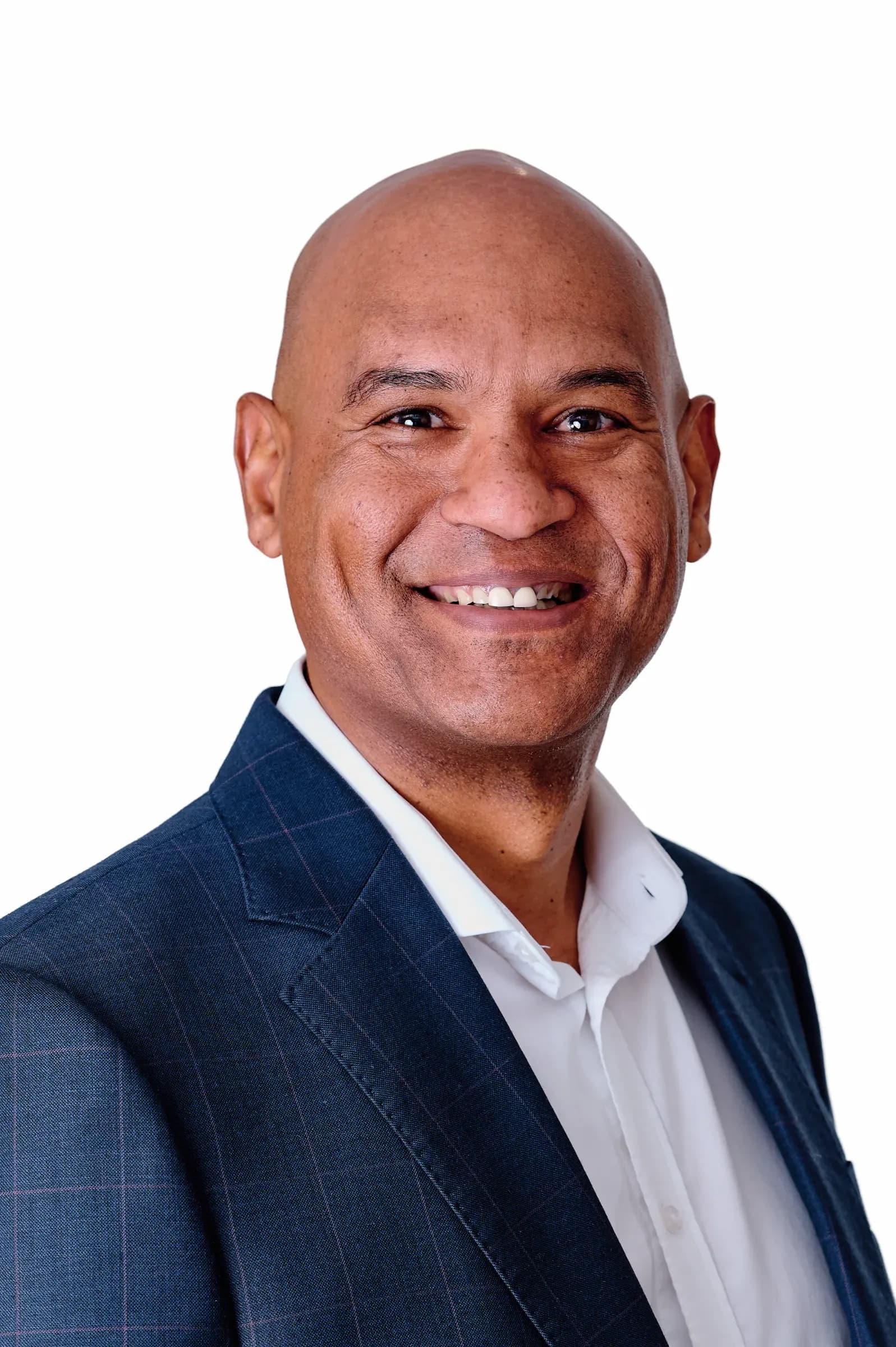
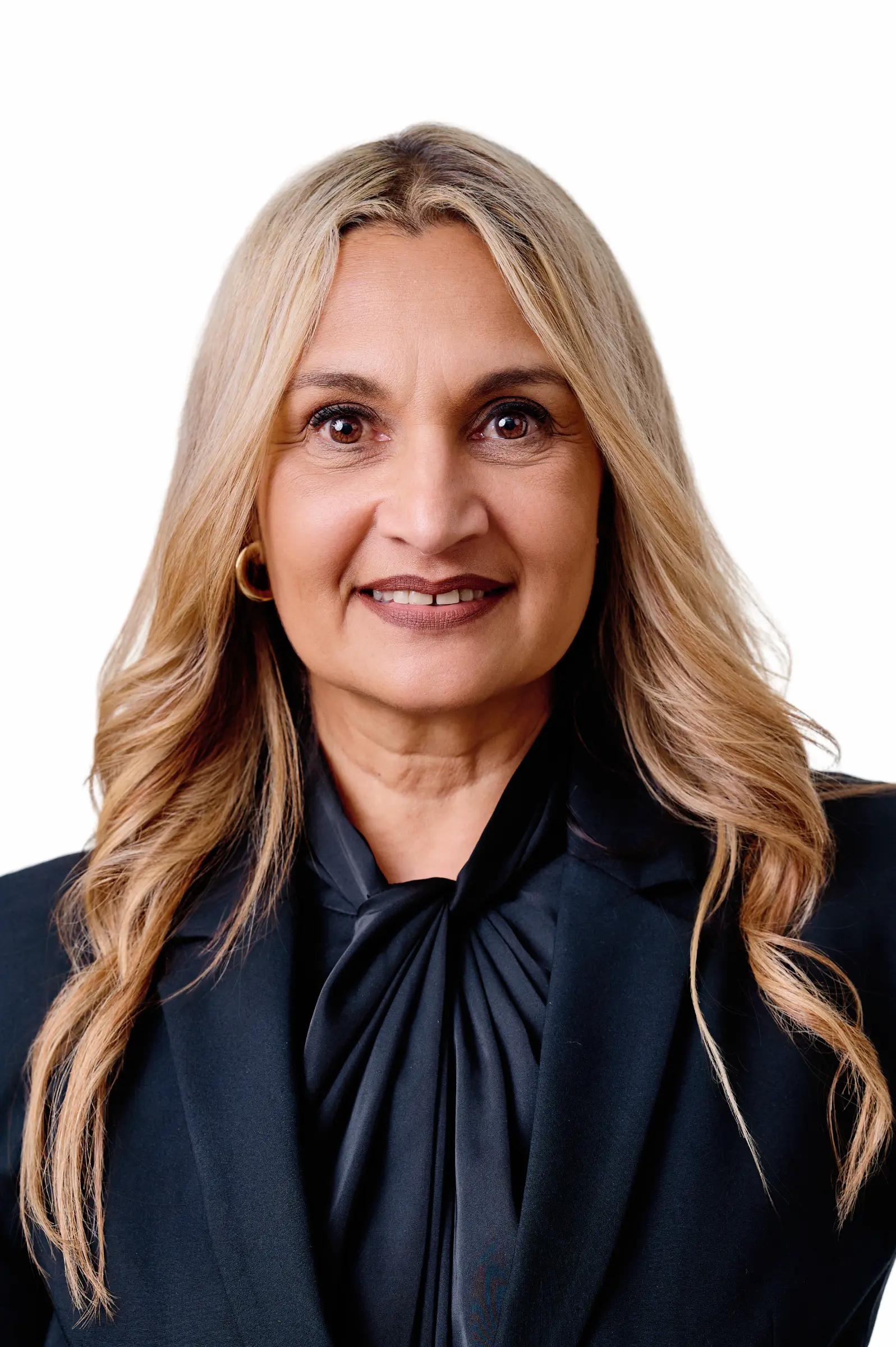
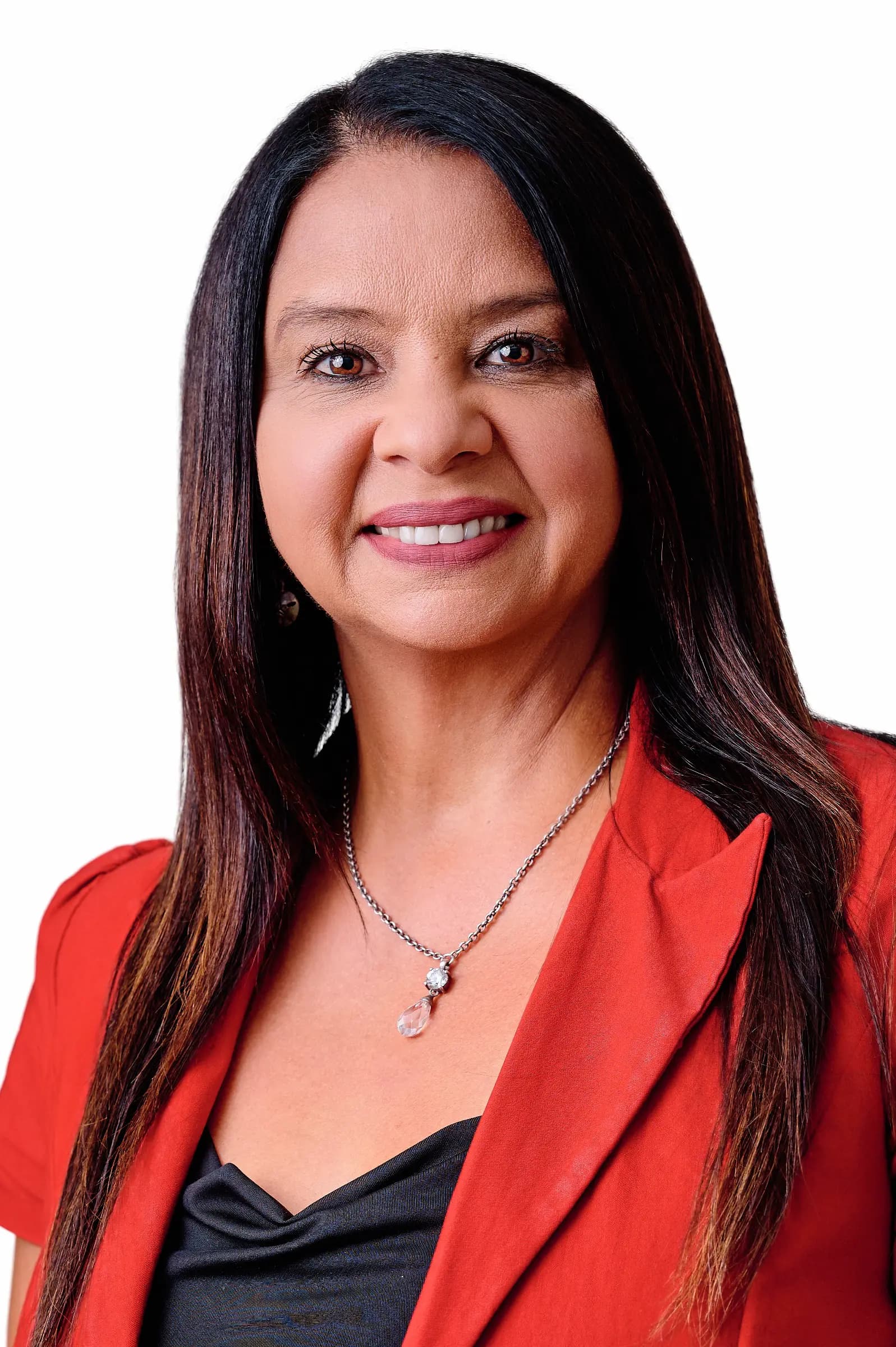
Leadership portraits. The chairperson, CEO, CFO, and executive committee. Studio sessions usually, sometimes on-location at the office or a relevant business site. Each portrait is usually 60 minutes per person. Two to five retouched final images per person.
Board portraits. The board of directors. Often shot together at a board meeting venue or in studio. More formal, more uniform across portraits, less individual personality.
Team or staff photography. Wider team headshots if the report includes an "Our People" section. Usually shot on-site at offices, sometimes at multiple locations.
Environmental and operational images. Photography of facilities, infrastructure, products, locations. Highly variable scope. For an energy company, on-site at a wind farm. For a retailer, in stores. For a financial services firm, in offices.
Editorial portraits. Sometimes the report includes feature interviews with senior people in more relaxed settings. These are different from formal headshots and need to be briefed separately.
For most Cape Town businesses producing an annual report, the leadership and board portraits are the photography component, and everything else is reused from existing assets.
How to brief for annual report photography
The brief for annual report photography is more specific than for general corporate headshots. The photographer needs to know:
The report's visual style. Are you continuing last year's look or refreshing? Is the design firm using black and white, full colour, or both? Are the portraits framed loose (chest up) or tight (head and shoulders)? Send last year's report or a competitor's report you admire. The photographer can match.
The print specifications. Will the report be printed on glossy or matte stock? What size? Some print stocks render skin tones differently. The retouching brief changes accordingly.
The launch context. Is this a print-only document, a digital PDF, a website refresh, or all three? If the same portrait will run on the website at small sizes, the retouching needs to hold up at LinkedIn-photo size as well as a full-page print. That's a different deliverable from a print-only run.
The approval workflow. Who has final say on each portrait? Some companies need the executive themselves to approve, some need marketing, some need the design agency. Each layer adds days to the timeline. Plan for it in advance.
The publication date. The most important number. Working back from a date prints on the 15th of next month: at least two weeks for retouching and approvals, two to three weeks for the design agency to lay out, so the shoot needs to be at least four weeks before print.
A worked timeline: a March print deadline
For a Cape Town company with an annual report going to print on 15 March:
- 1 December: Photography brief signed off. Photographer booked.
- 5 January: Wardrobe brief sent to leadership team.
- 15 January: Leadership portrait shoot day (in our Woodstock studio).
- 20 January: First proofs delivered for review.
- 1 February: Approvals from execs and marketing complete.
- 5 February: Final retouching delivered to the design agency.
- 1 March: Final layout signed off.
- 15 March: Print run begins.
This is a comfortable timeline. Compress it and the slack disappears. The most common mistake is to assume retouching takes a few days. For board and exec portraits with multiple approval layers, retouching plus approvals is typically two to three weeks.
What to budget
For a typical Cape Town annual report with leadership and board portraits, the photography line item runs:
- Leadership portraits (5 people, 60 minutes each in studio): 5 x R2,750 = R13,750.
- Board portraits (12 people, group photographed in one session plus individual shots): roughly R15,000 to R22,000 depending on scope and location.
- Total annual report photography: usually R25,000 to R45,000 for the portrait component.
Environmental, operational, and feature photography sit on top of this and are quoted separately based on scope.
Common mistakes that cost money
Five things to avoid.
Booking the shoot too late. Photographers worth working with are booked four to six weeks out in February and March. Decide on the photographer in November.
Briefing only headcount, not visual style. The photographer needs the report's design context to shoot for it. "12 people" is a logistics number. "Continuing last year's look, formal portraits, full colour, 60% chest-up framing" is a brief.
Underbudgeting retouching. Annual report retouching is more involved than a LinkedIn photo. Expect more rounds of revisions and more polish per image. Build that into the quote at the start.
Skipping the approval workflow conversation. Every layer of approval adds days. If three executives need to sign off on each board portrait, that's not the same as one CEO approving the whole set.
Reusing last year's photos for executives who haven't changed. It's tempting and it usually shows. A 12-month-old portrait next to a fresh portrait reads as inconsistent. Either reshoot the whole leadership team or use last year's set entirely.
Where to next
If your company is planning an annual report and you'd like to discuss the photography component, the contact form on the corporate headshots page is the route. Mention "annual report" in your message and the deadline you're working back from. We come back within a working day.